

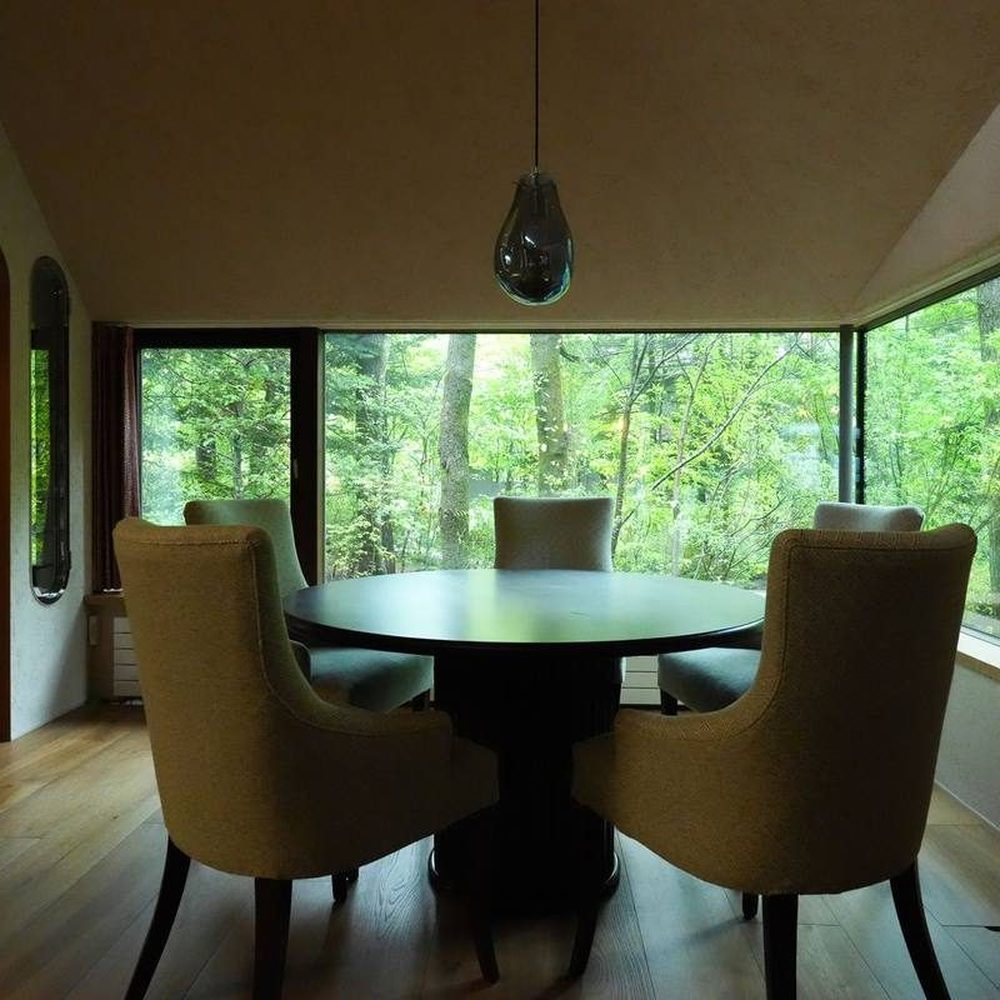
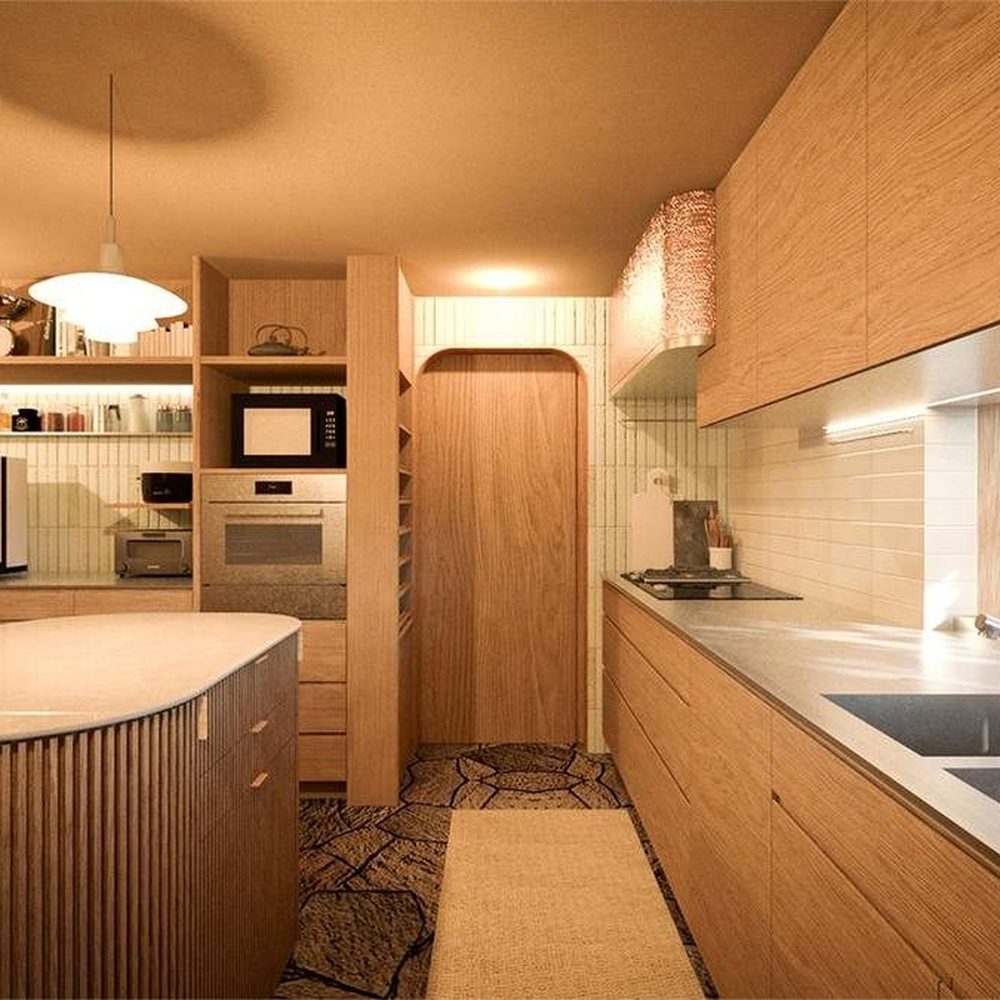
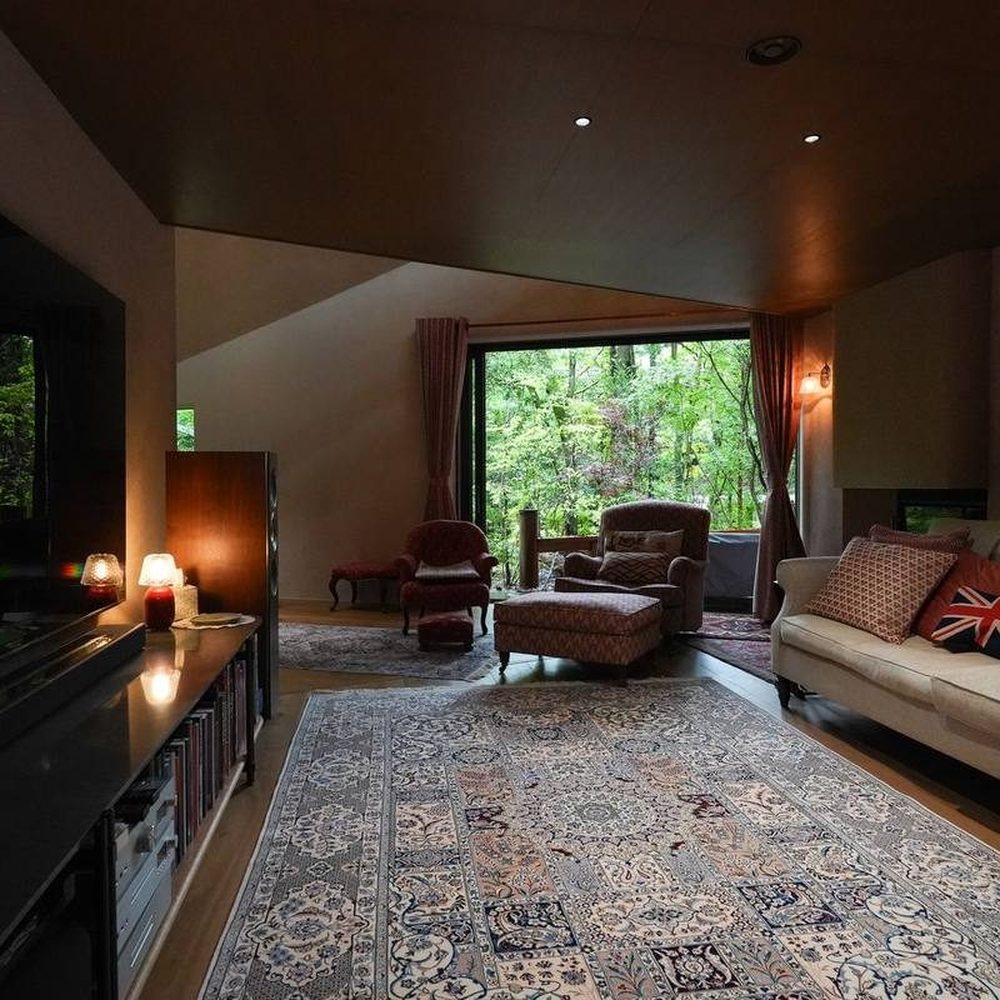
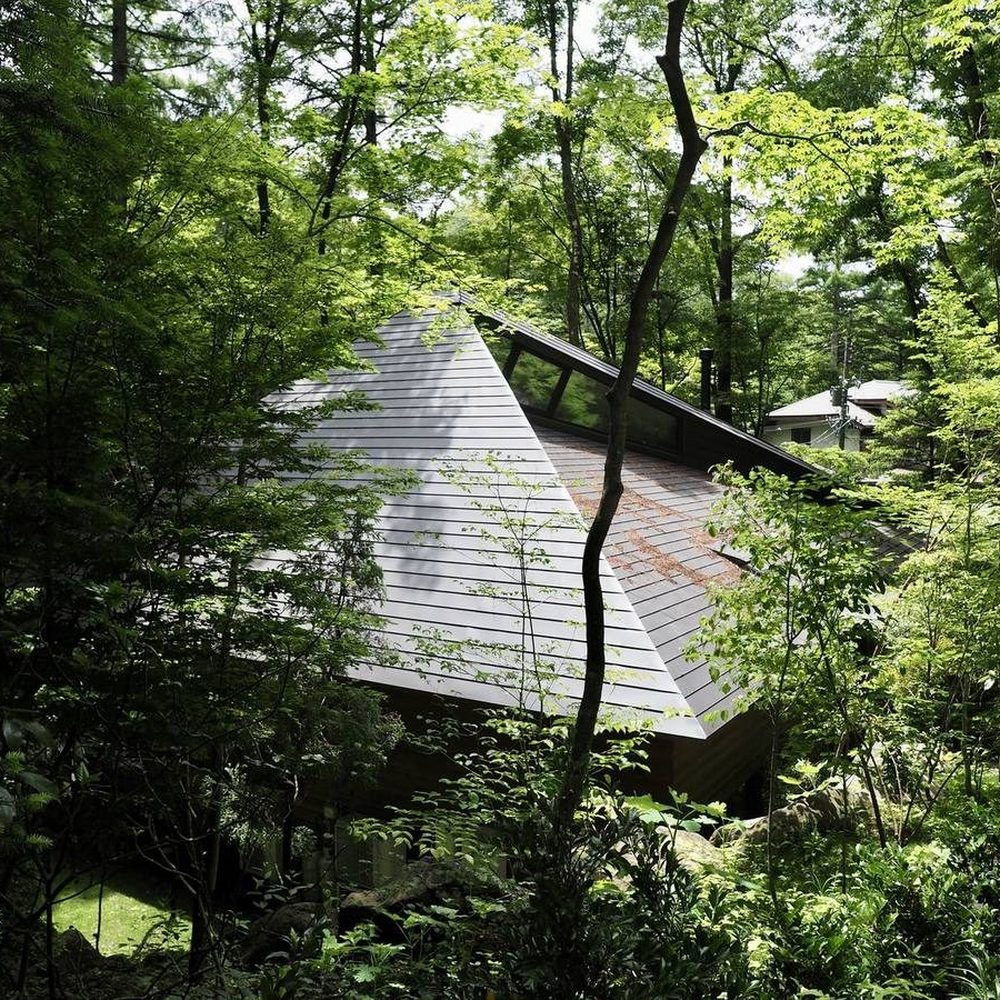
Marking time, creatively
We feel, think and act as we touch the world.
Light and wind, sounds and scents. Encounters with things, conversations with people.
The inspiration that arises in ordinary days stirs our emotions and leads to new thoughts and actions.
The accumulation of such creative time builds our relationship with ourselves and the world, and brings the feeling of being alive.
We believe that powerful architecture acts on the way people relate to the world.
Rather than deciding how people feel or act through architecture, we want to design places and environments where each person’s sensibility and creativity are drawn out, and a rich time is nurtured.
For each person’s creative time.
-
-
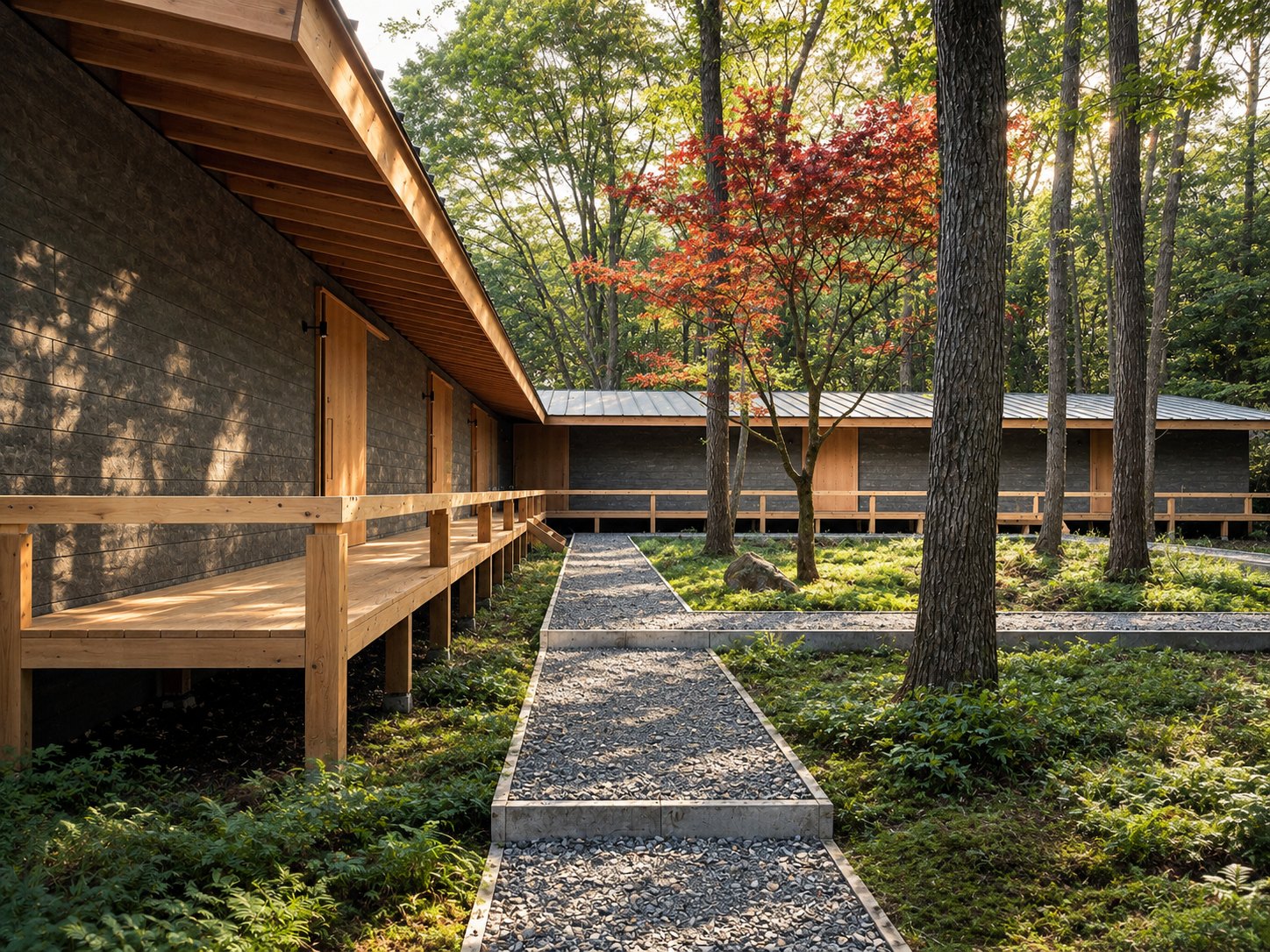
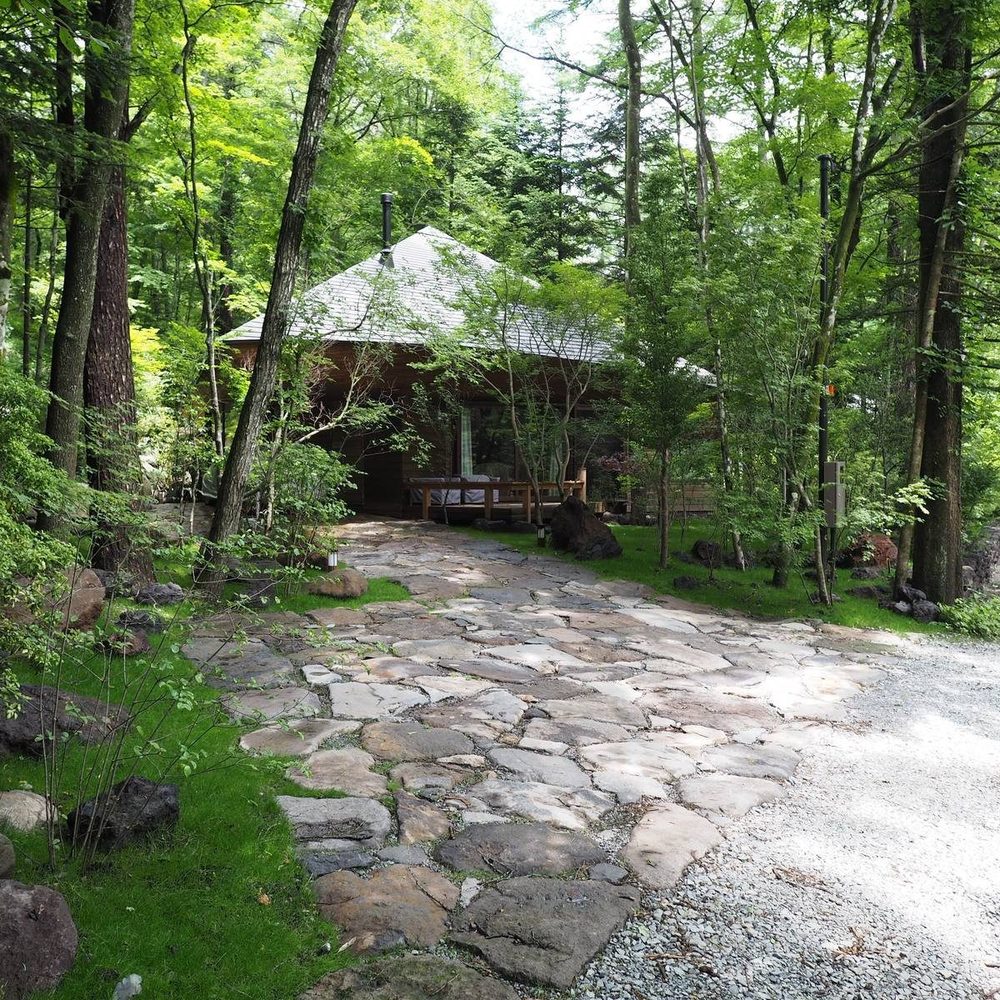
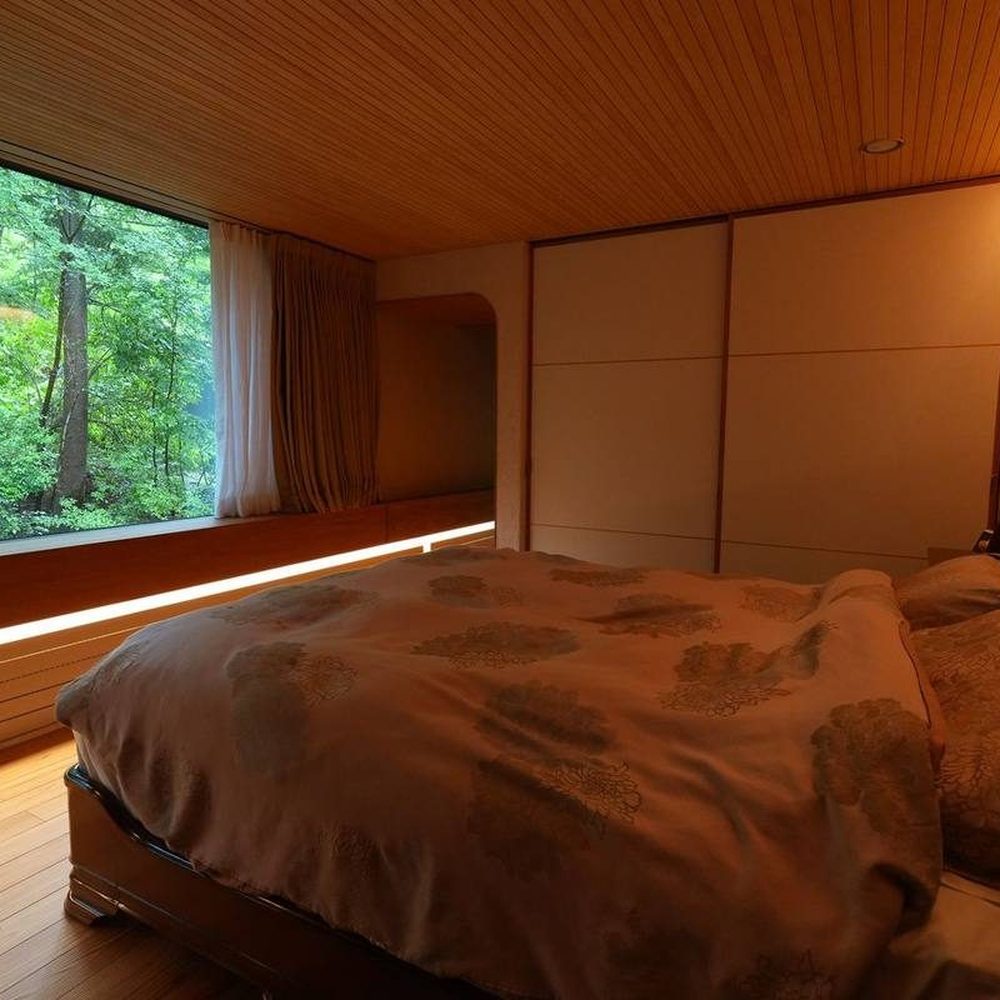
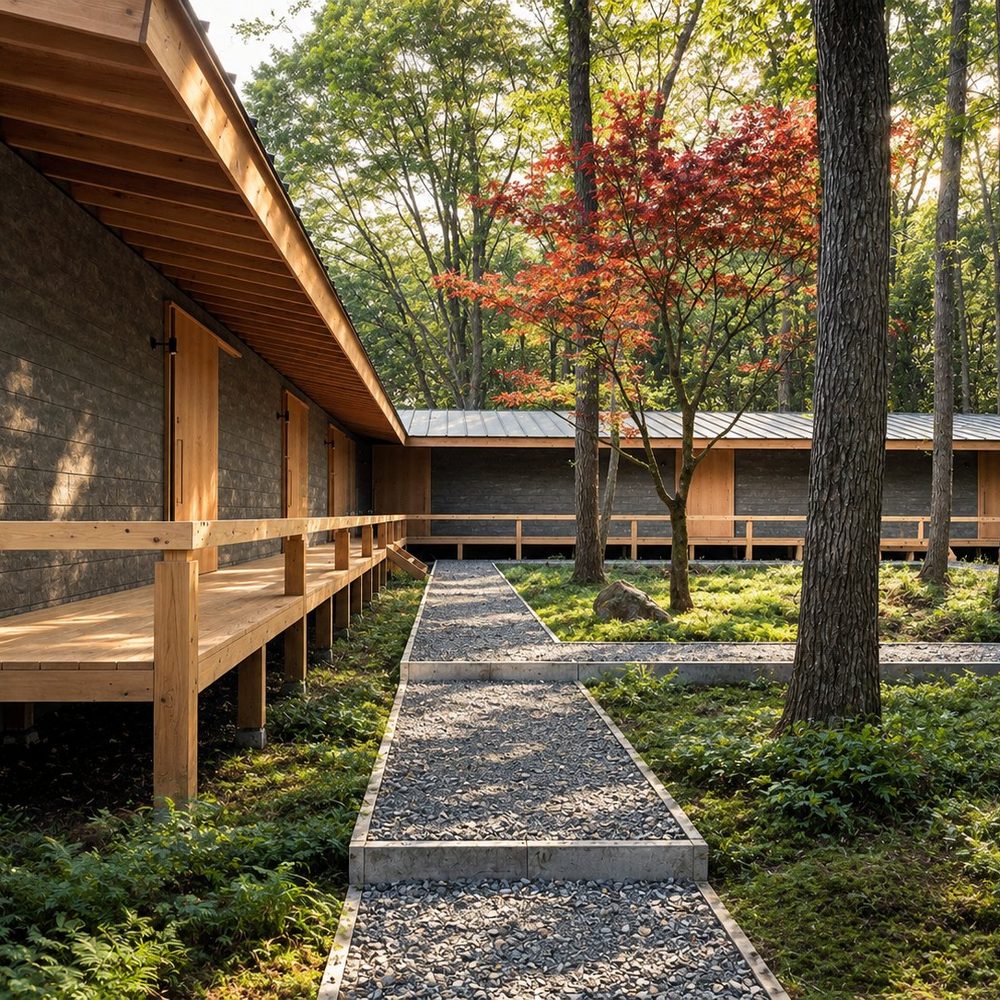
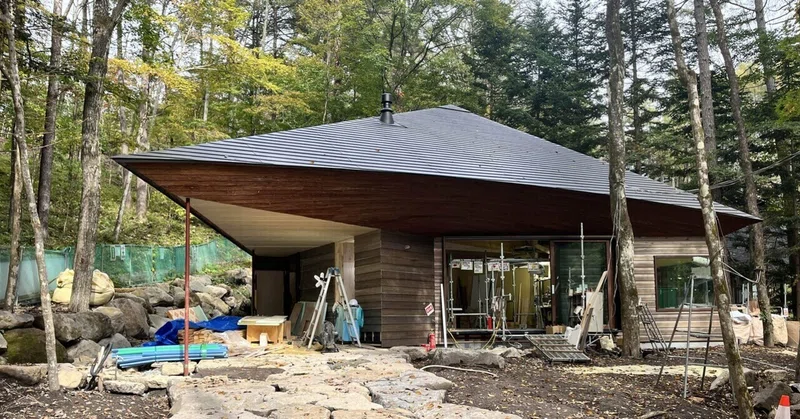
Mori de Workation Nasuppo
森でワーケなすっぽ
-
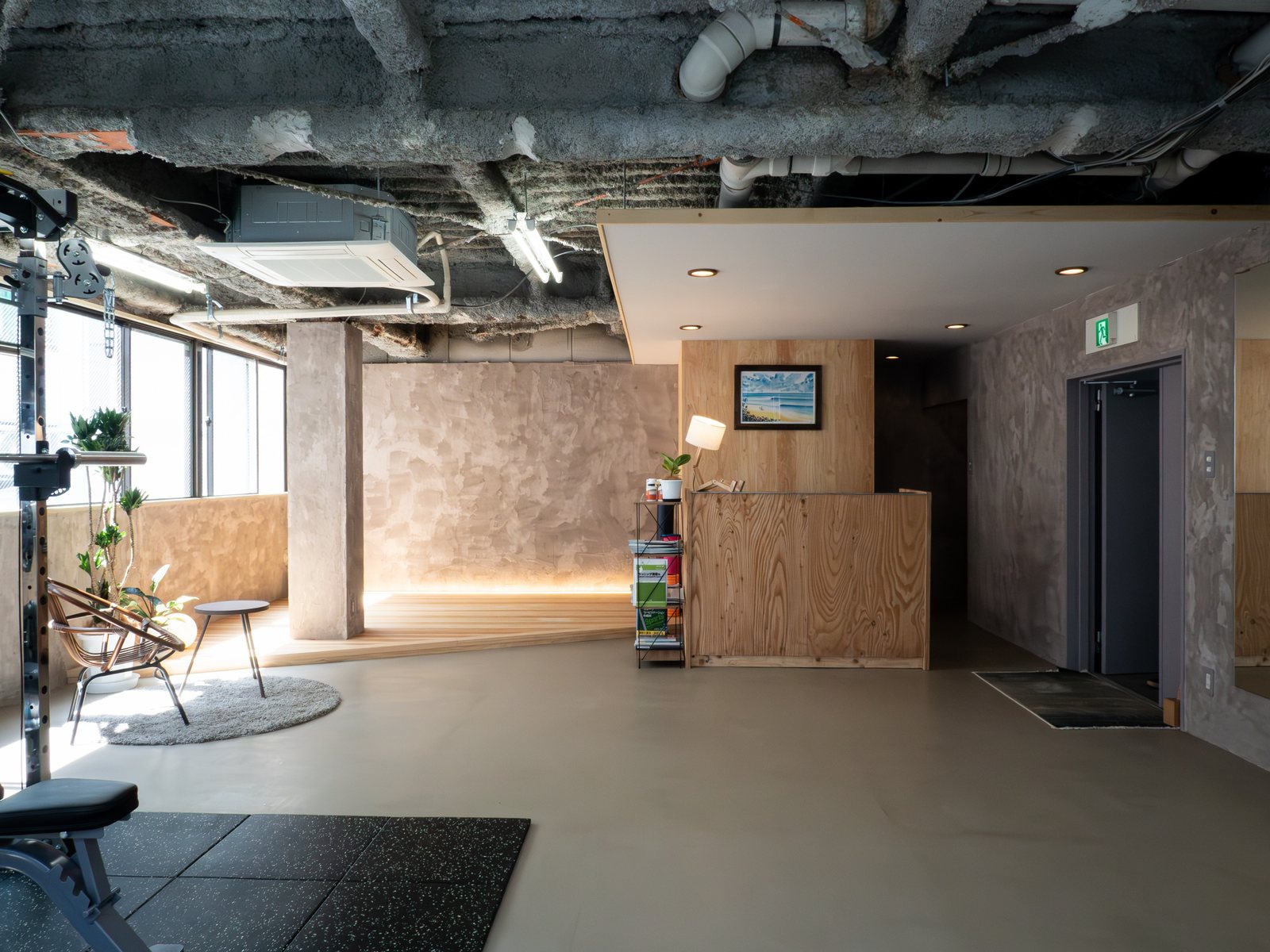
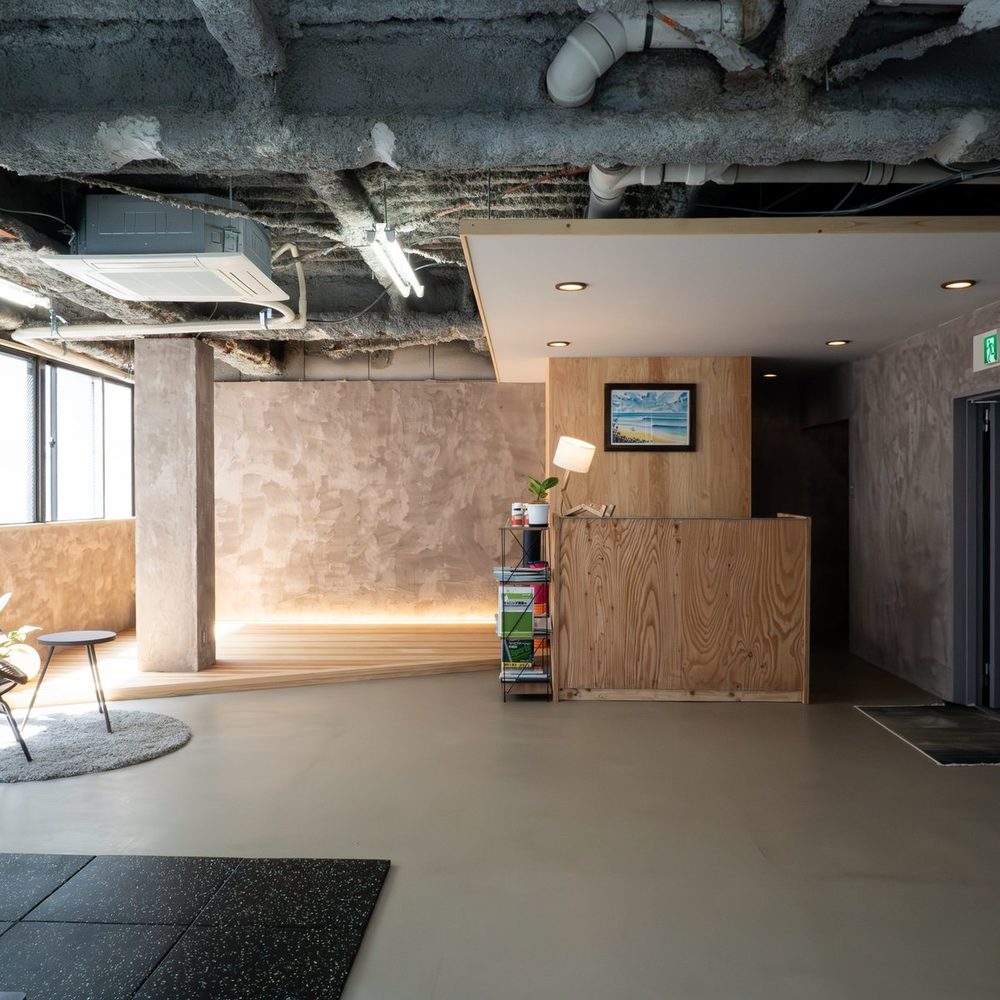
Rise Personal Training Gym, Fujisawa
ライズパーソナルトレーニングジム藤沢店
-
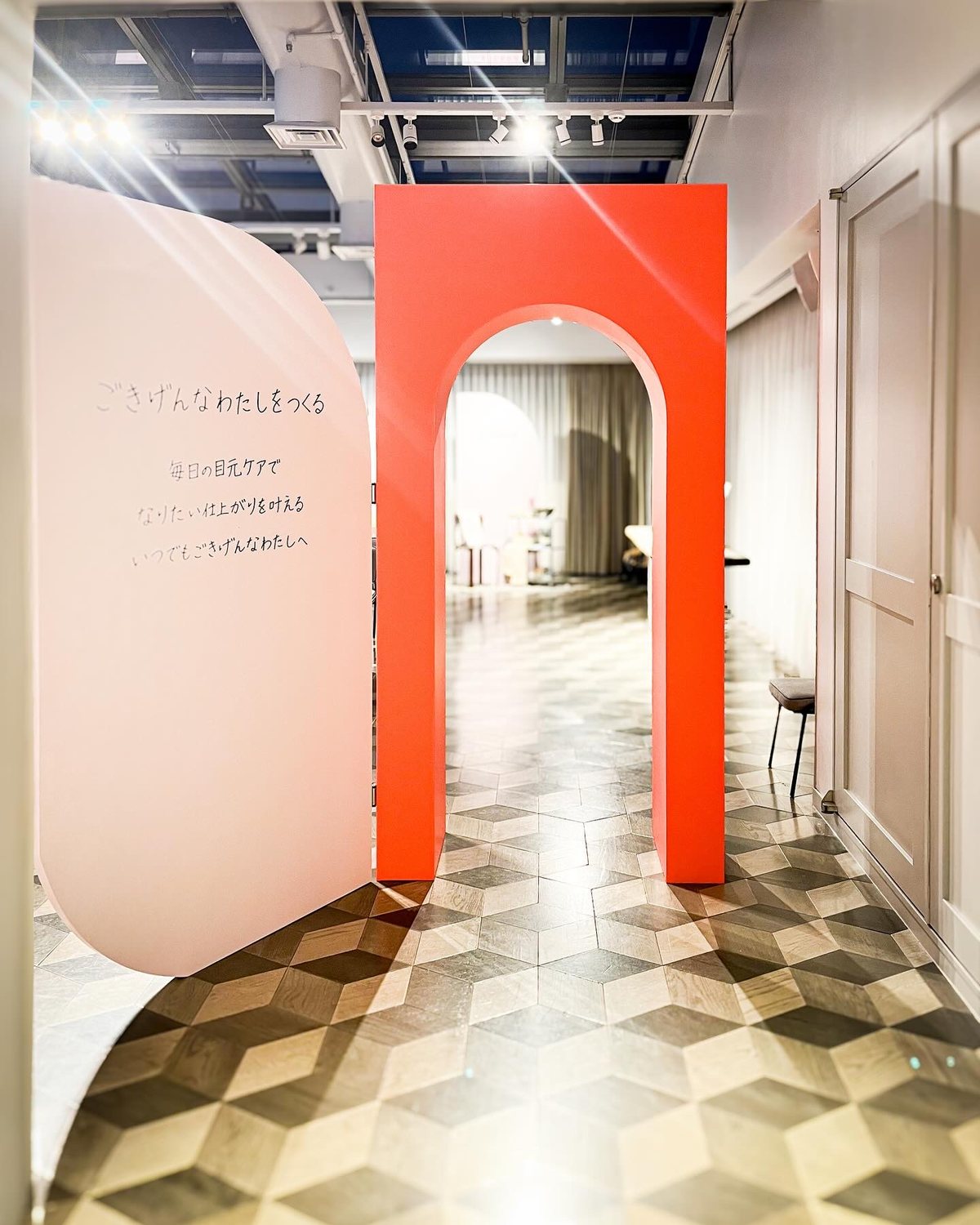
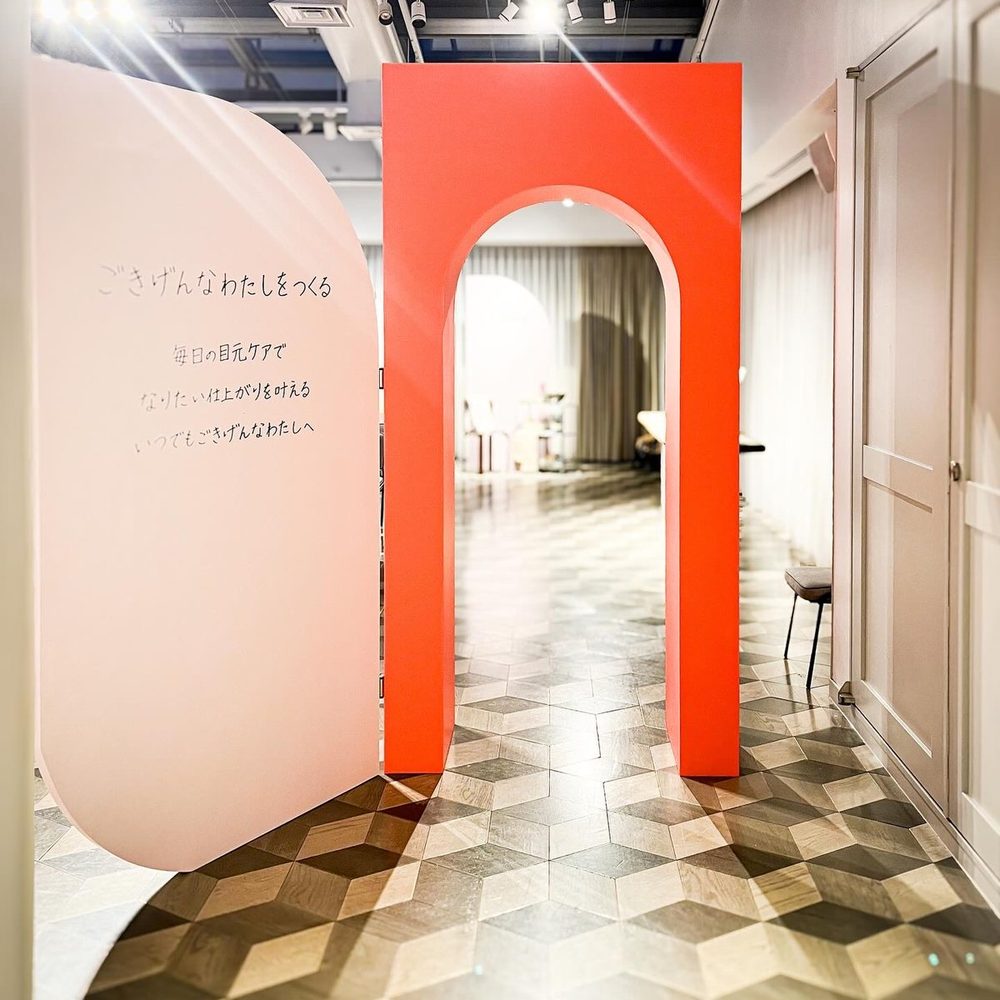
ANGFA Scalp D Eyelash Serum — Launch Event
ANGFA スカルプD まつ毛美容液 新商品プロモーションイベント
-
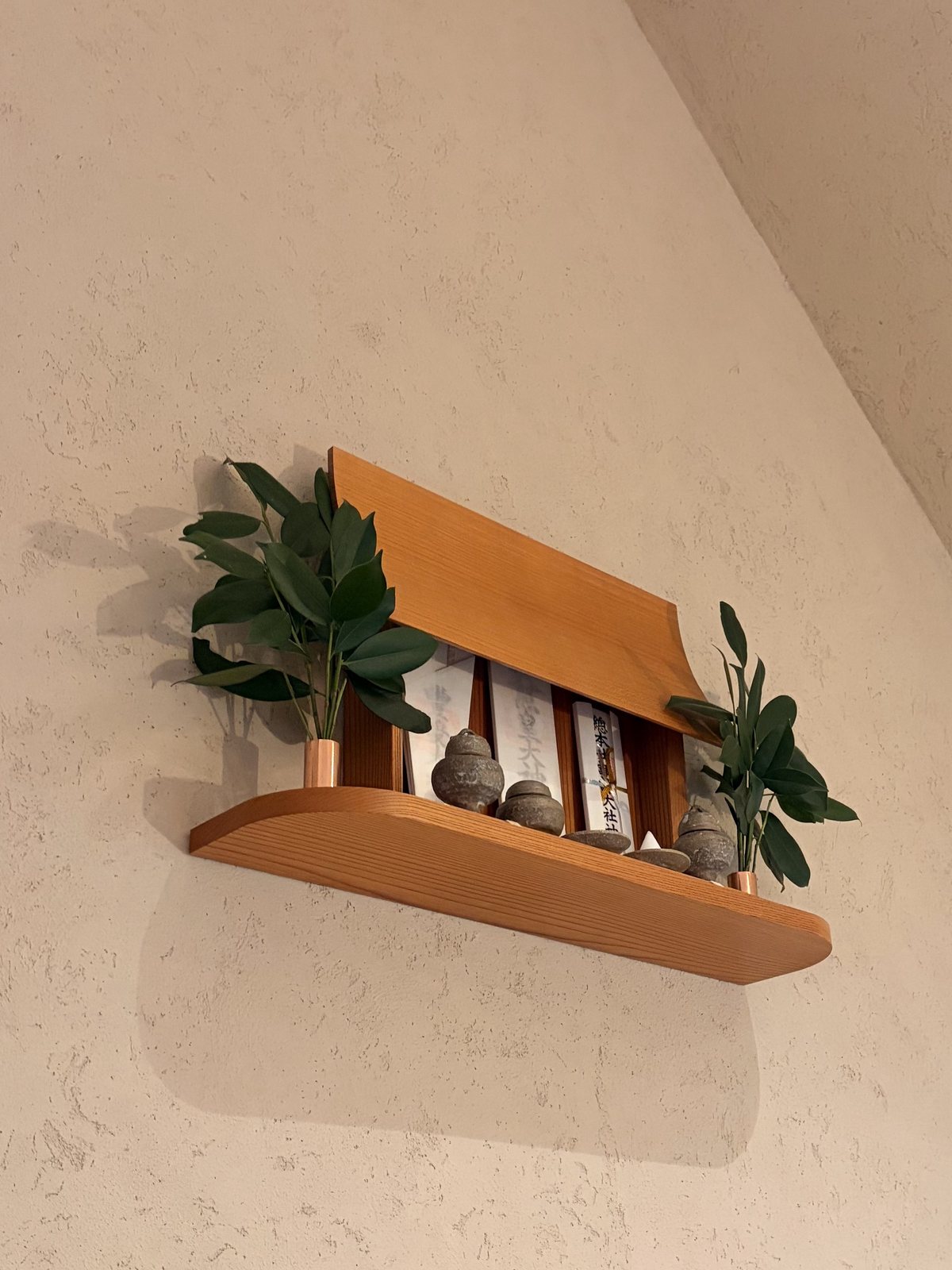
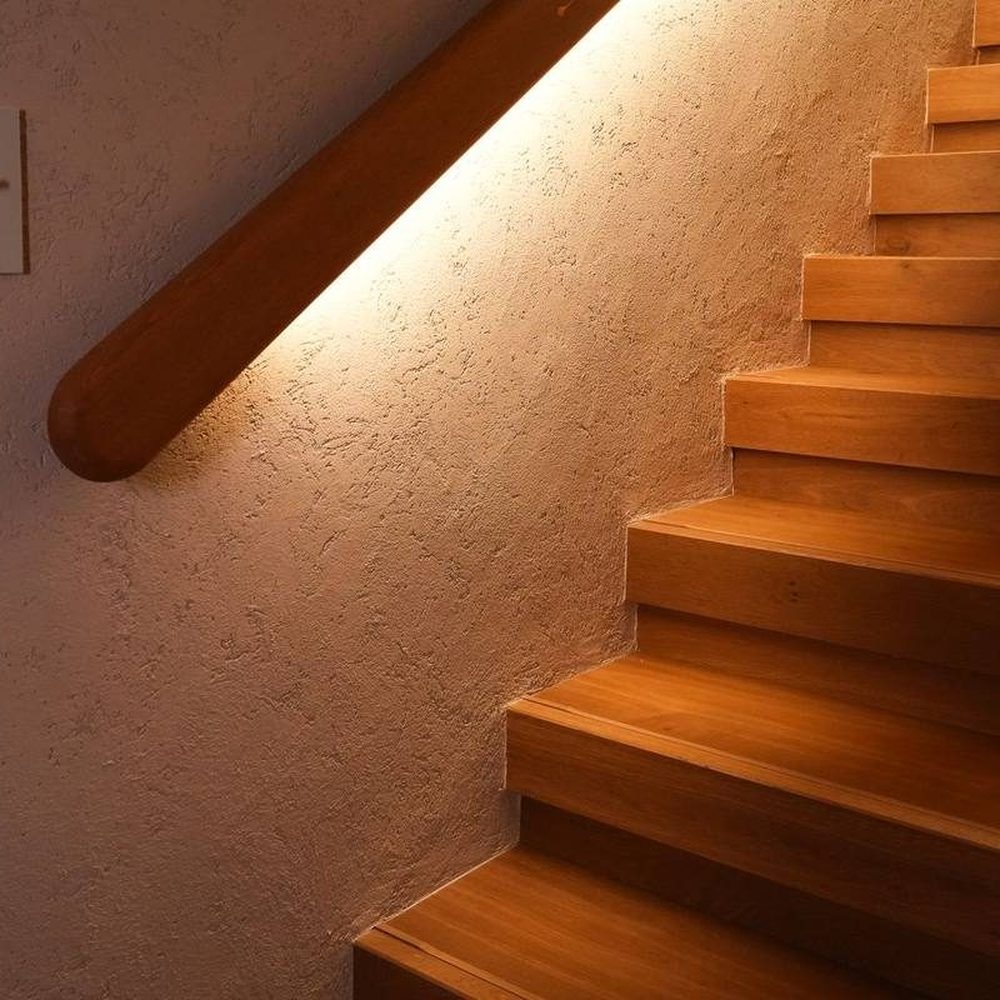
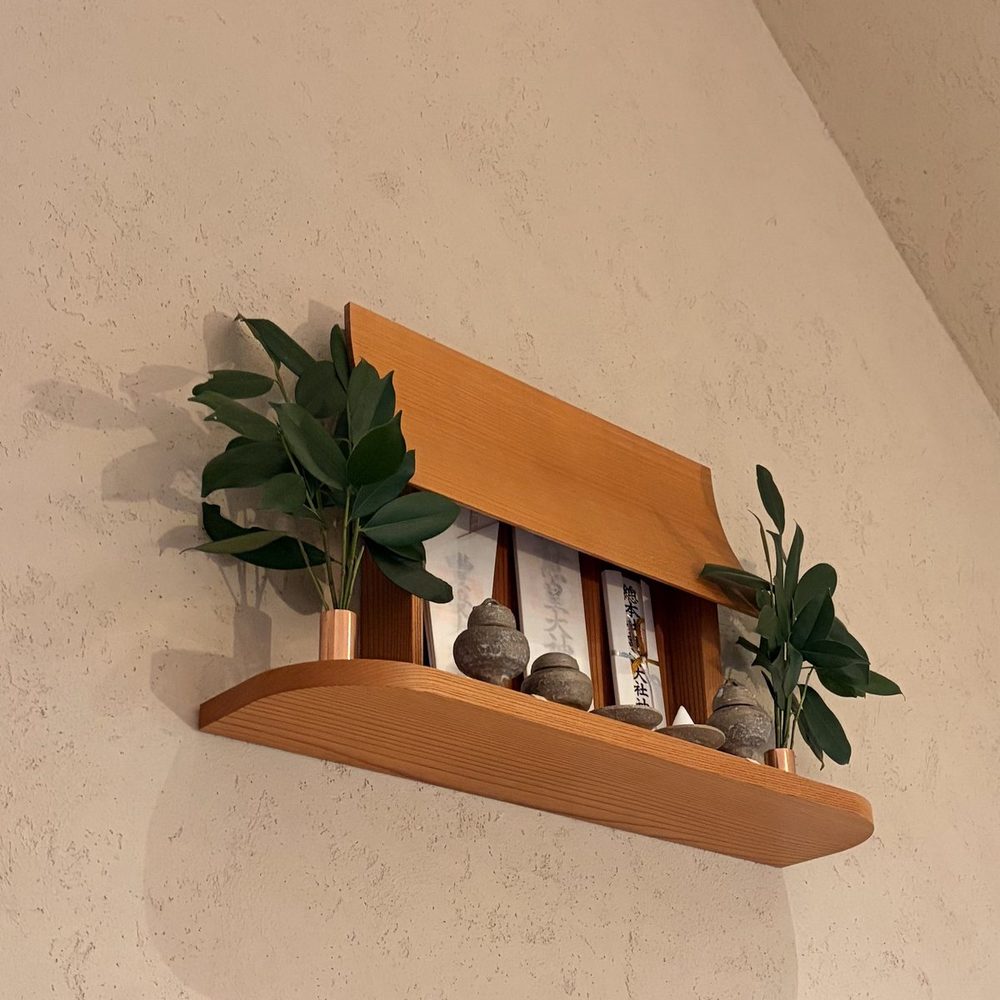
Household Shrine
神棚
-
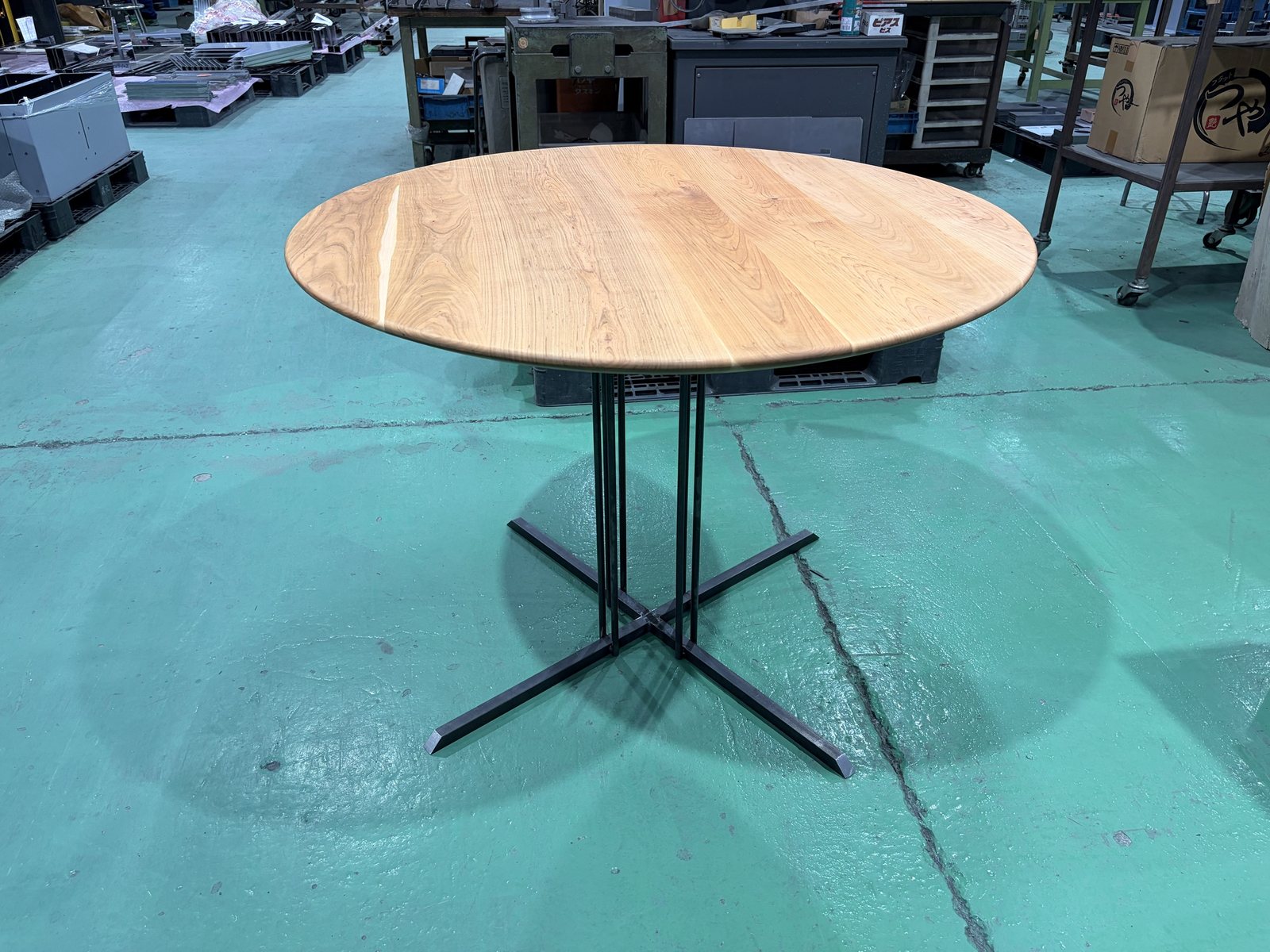
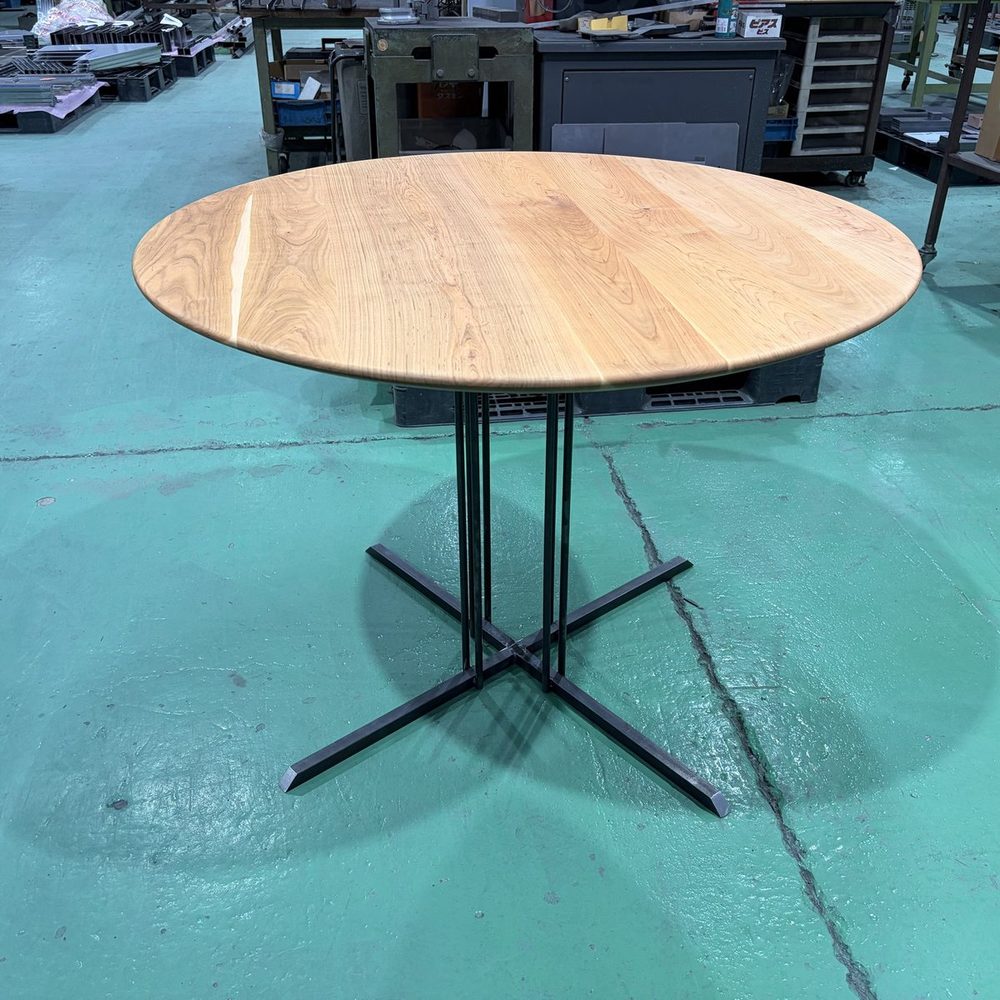
Table knyφ1000
テーブル knyφ1000
-
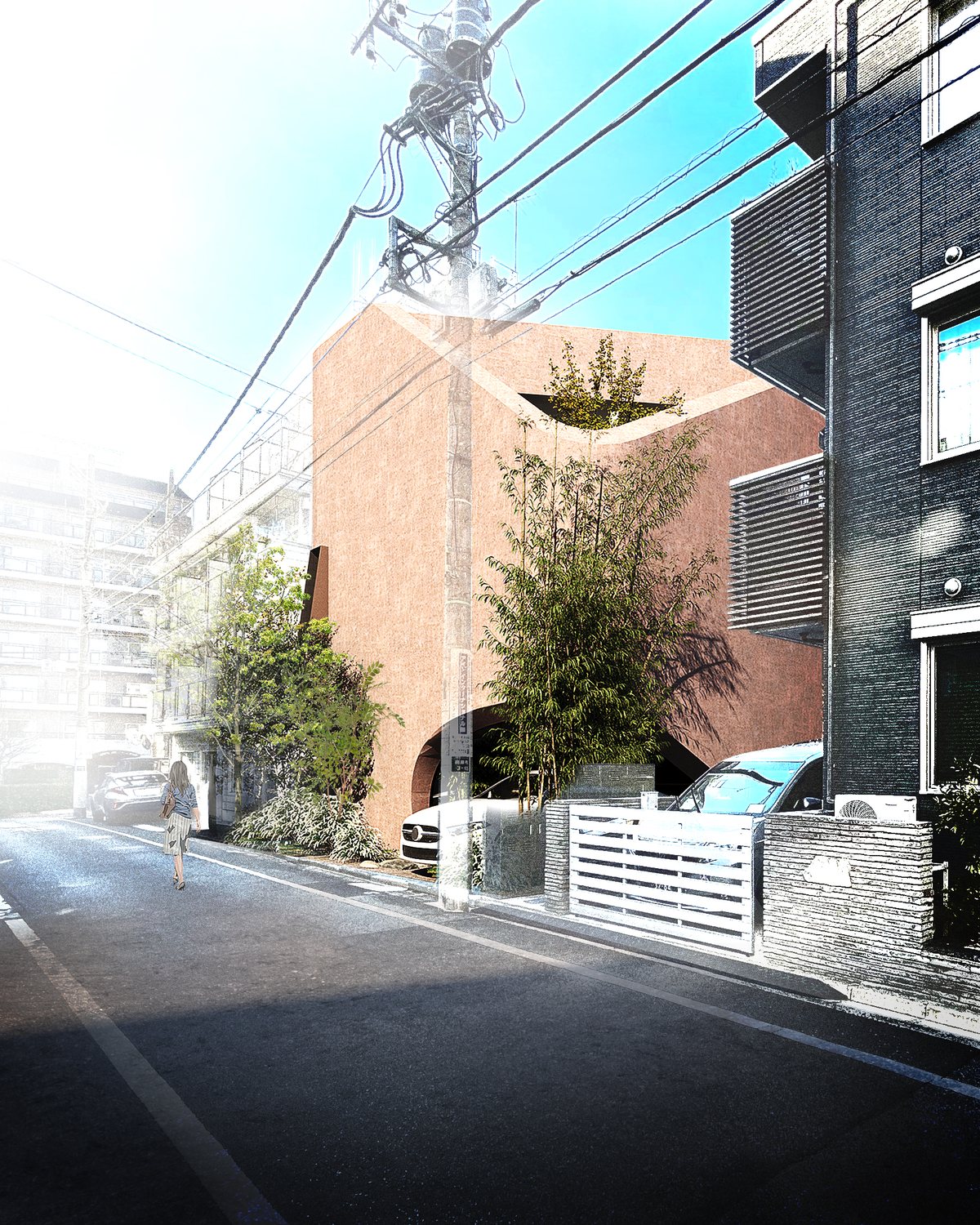
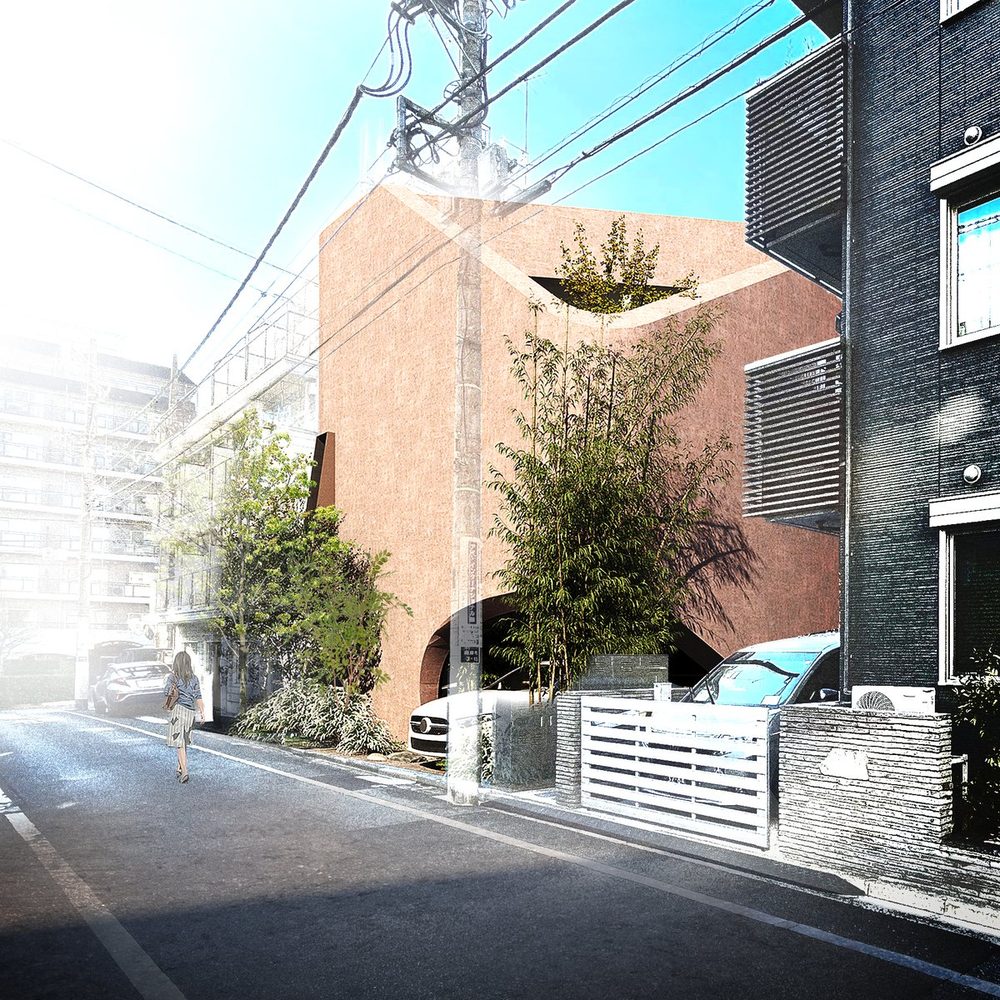
A House for a Potter, Azabu
麻布の陶芸家のための家
-
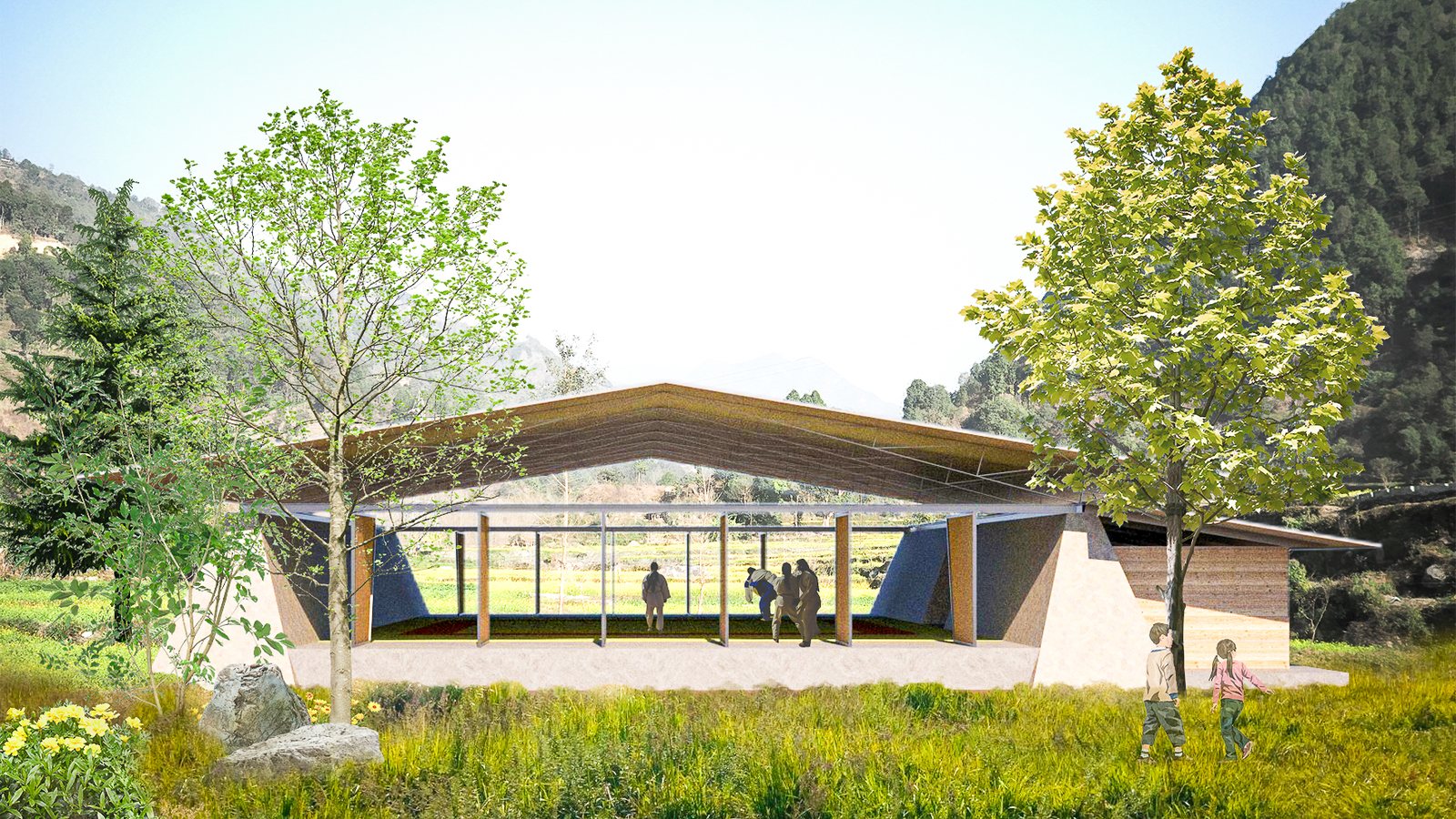
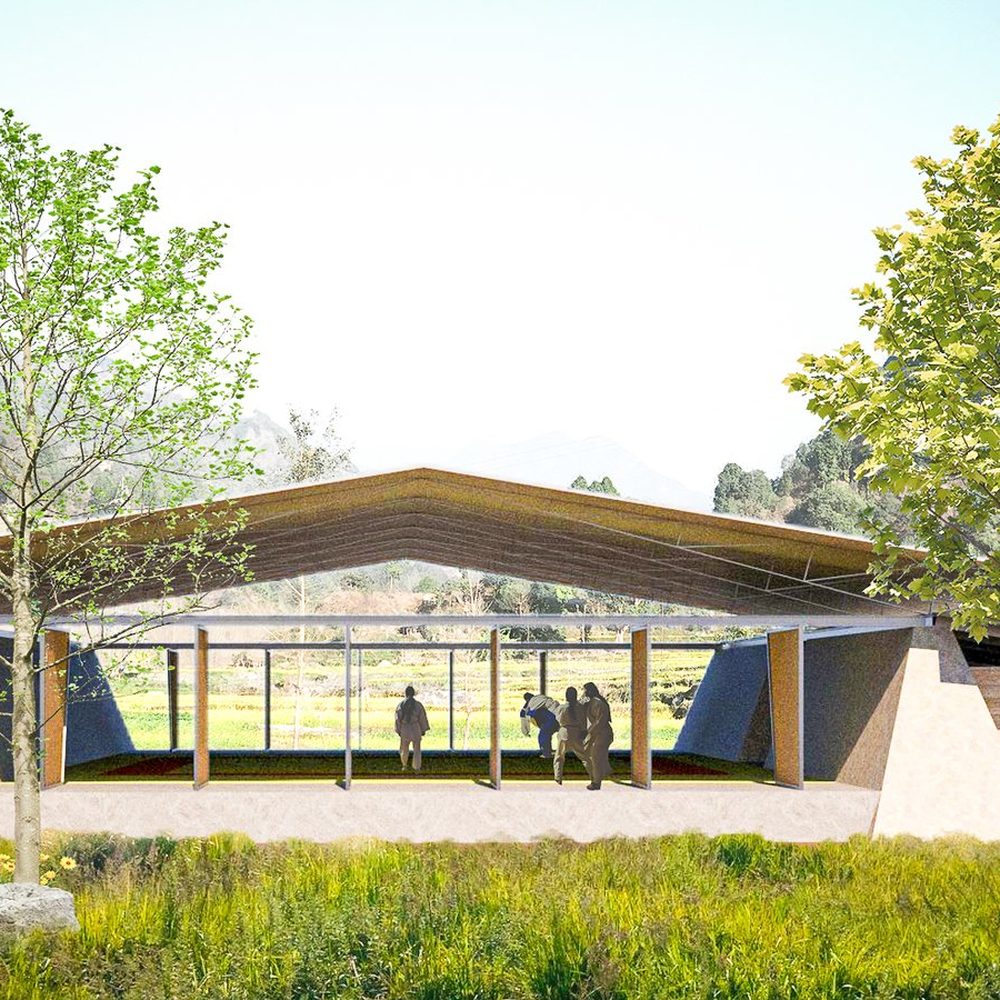
Judo Dojo, Nepal
ネパール柔道場
-
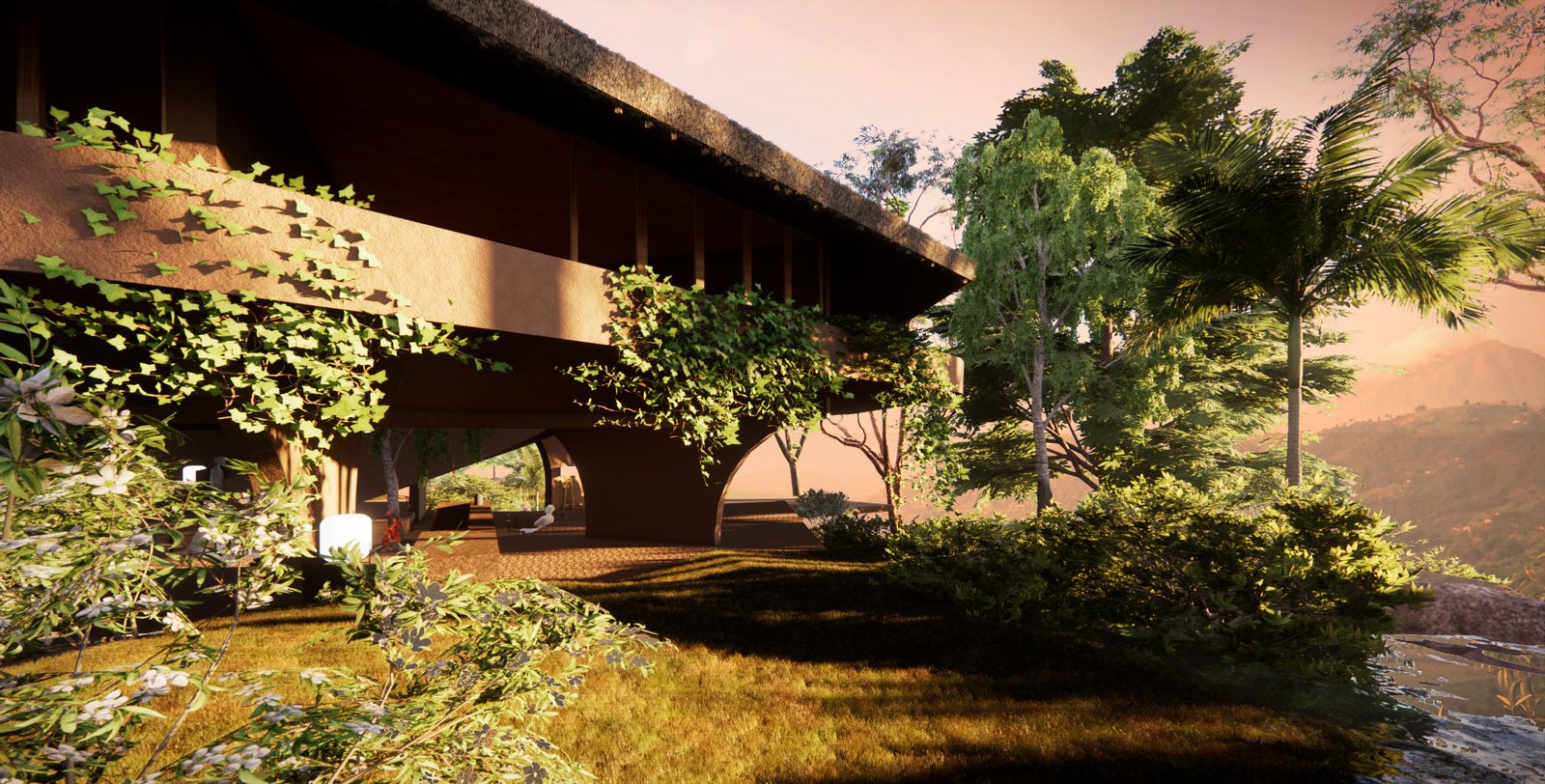
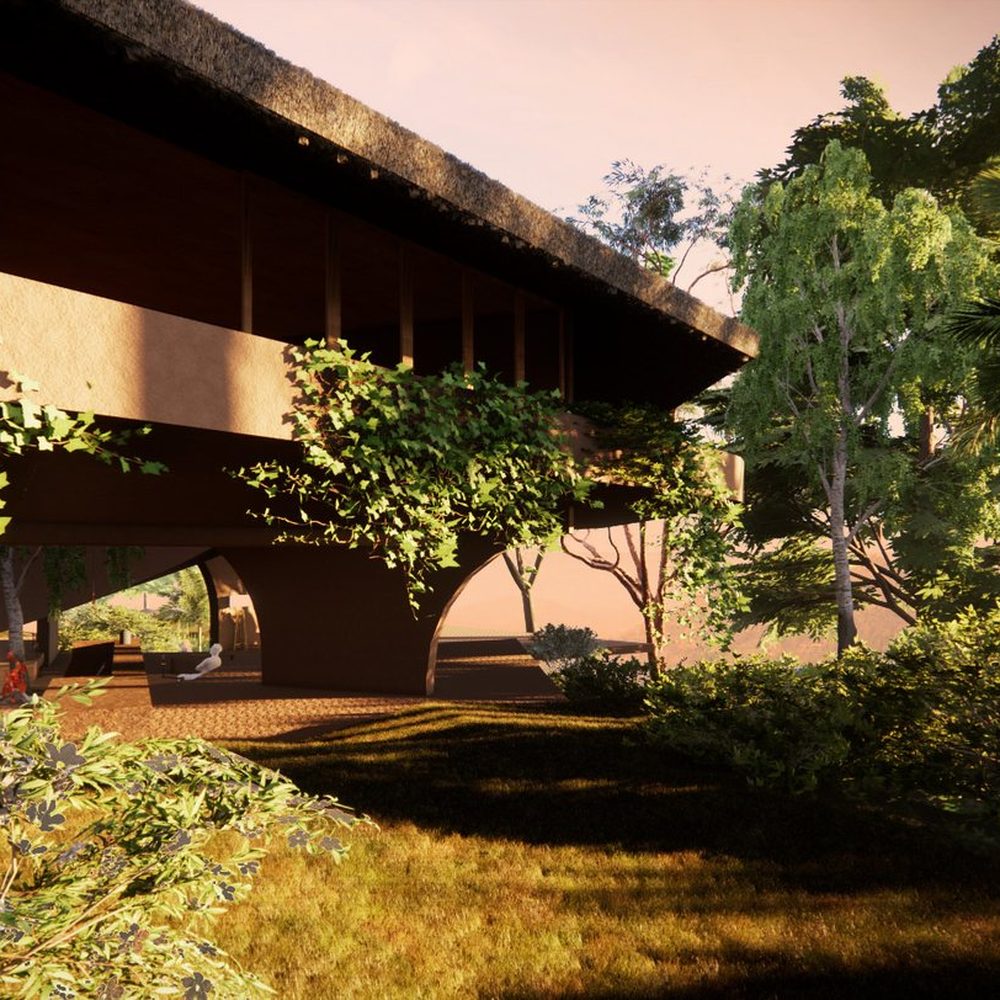
Eco-village Hotel, Uganda
ウガンダのエコビレッジホテル
Architectural design office
STUDIOFUU
Akihito Fujiki
Licensed first-class architect
Interior planner
Career
- 2005
- Graduated, Department of Architecture, College of Science and Technology, Nihon University
- 2005–2007
- Kenji Sato Architecture & Urban Research Institute
- 2007–2011
- Design Department, Kikuchi Construction
- 2011–2013
- Japan Overseas Cooperation Volunteers (Zimbabwe)
- 2014–2015
- Atelier Keino Shoji
- 2015–2021
- Ishida Architects Studio
- 2021–
- Founded STUDIOFUU
When I was small, I used to play by lining up umbrellas on the road in front of our house.
First one. Then another placed beside it, and little by little more of them. Trying out different arrangements, I watched the umbrellas join one another until, in time, a dome-like space came into being.
At some moment, the familiar road turned into a completely different place. The inside, enclosed by umbrellas, was still part of the road, yet it had become a space of my own, cut off from the world outside.
And then, as I took the umbrellas away one by one, the outline of the space slowly grew vague. Was it the road, or a private place? A strange boundary appeared, both and neither.
I invited friends in, and we played all kinds of games there.
Thinking back, it is curious. Without the umbrellas, I would never have thought of playing the same games on that ordinary road. Because I lined up the umbrellas and a space appeared, there was a reason to gather, and the play began.
It was not the place itself that had changed. The arrangement of what was there changed, and with it the meaning of the space, and so the way my world looked changed. That change gave rise to feeling, and led to action.
A space is not merely a vessel to hold people and things. It may be something that changes how the world appears, and acts on the awareness and behaviour of those who are in it.
Looking back, I think that dome of umbrellas was the first space I ever made.
Even now, as I study and practise architecture, the wonder I felt then remains within me.
By making something, the ordinary world looks different. New meaning arises there, and people’s lives begin.
What kind of change can architecture bring to the relationship between the world and people?
That question may still be continuing, even now, from the small dome of umbrellas of those days.
While travelling in Africa and South America, I came to think that the self may exist in a relative relationship with the world.
I would visit unfamiliar places, touch the lives of people I did not know, and sometimes stand before overwhelming nature.
What I had taken for granted would waver, and feelings and thoughts I had never expected would rise within me.
Such sensations do not last forever. Once I left the place and time had passed, they receded deep into my mind. And in another place, I would meet yet another self.
Looking back, what I experienced on those journeys was not merely memory. What I felt and thought then was, without doubt, a part of myself.
But was it something that had been there inside me all along?
Perhaps it was rather a self that appeared for the first time because I placed myself in that place and spent that time there.
Thinking this way, the self seems less a thing with one certain outline than something shaped little by little through encounters with the world.
It is not only on journeys. Looking back over a life, there are moments when meeting a certain person, or some ordinary event, changed who I had been.
Each of those moments may disappear from view once it has passed. Even so, the self I met there remains within me and shapes who I am now.
Somewhere in the world, there are selves I have not yet met.
Thinking so, the world no longer looks like something that simply spreads outside me, but a place that holds the possibilities of my own existence.
When I think about architecture, this is the feeling I carry.
Architecture is not about preparing a finished world for the people who live in it. It is about making a place where, as people settle in and let time accumulate, their own experience can grow.
Which architecture becomes an important place for a person is not something the designer can decide in advance.
Making architecture may not be about drawing the whole of the life lived there, but about offering one possibility to the time that stretches beyond.
Someday, looking back on the time spent in that place, there will be a self one could only have met by being there.
To make such a place is one of my wishes for architecture.
How do we perceive time?
When we are absorbed in something. When a new experience makes the heart leap. When we are deeply engaged with beautiful nature. At such moments we sometimes feel a flow of time unlike the usual.
It is as if the grain of time has become finer: each moment is vividly conscious, and time seems to be carved moment by moment.
Such moments also lie hidden in everyday life. The landscape before our eyes, the sounds that reach our ears, the air on our skin. We are captivated by trees swaying, almost without noticing. In the touch of a well-used tool we feel the time that has passed. A conversation with someone leads us to something we had never thought of.
These small points of contact with the world awaken our senses and bring inspiration.
We perceive the world through the body. Light and wind, sound and scent, the texture of things. The sensations that arise from them stir emotion, prompt thought, and in time lead to action.
Making something, speaking to someone, trying something new. Through such acts we act on the world and change our relationship with it, little by little.
Creation does not belong only to people with special talent. It is touching the world, feeling something, thinking, and responding in our own way. That practice, I believe, is what living is.
The feelings and thoughts that arise in our dealings with the world, and the actions we take of our own will. Perhaps their accumulation brings a sense of fulfilment to our days, and connects to the feeling of being alive.
Designing architecture is also making the environment that supports such human practice.
What light comes in, and what wind passes through? What do we touch, what do we look at, and at what distance do we relate to people and things? The way a space is made changes the sensations, the awareness and the possibilities for action that arise there.
Of course, architecture cannot decide how people feel or act. Even in the same place, what moves each person differs, and even for the same person, what is received changes with the mood and experience of the day.
That is exactly why what matters is not only giving one way of spending time or one meaning, but making room to receive the countless possibilities that spread from it.
Architecture inspires a person, and new feelings and thoughts arise. Action grows from them, reaches someone, and sets something else in motion.
A small change that began in one place may, in time, change how that person sees the world.
What we want to design is not simply a place to pass time. It is a place and an environment where the people who spend time there feel something, think, and act on the world of their own will, so that such creative time accumulates.
To make architecture. And, beyond it, to make each person's creative time.
We will keep exploring that possibility through architecture.
Architecture begins
in thoughts that have not yet taken shape
How do you want to spend your time
What landscape do you want to be in
Through conversation, we help untangle those thoughts
and explore what architecture suits
you and your place
Even if your ideas are still vague
please feel free to tell us
* The initial consultation is free of charge.
Thank you. Your message has been received. We will read it and reply.
Registered with the Governor of Tokyo, No. 64317
Co-op Olympia 516
6-35-3 Jingumae, Shibuya-ku
Tokyo 150-0001